
Screenshot
The Anne Arundel County Sheriff’s Office released the following information on Wednesday, January 28, 2026,
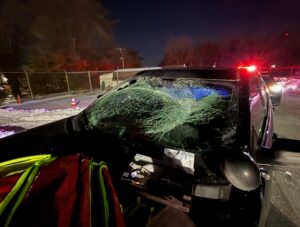
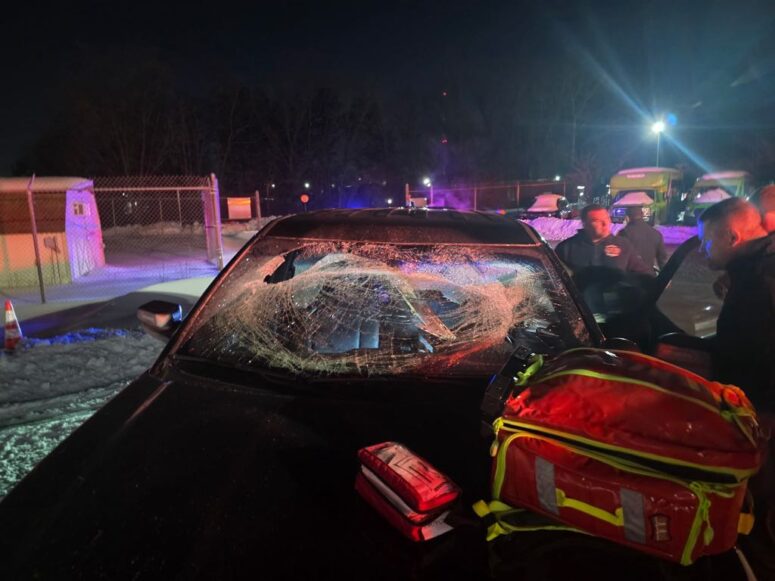
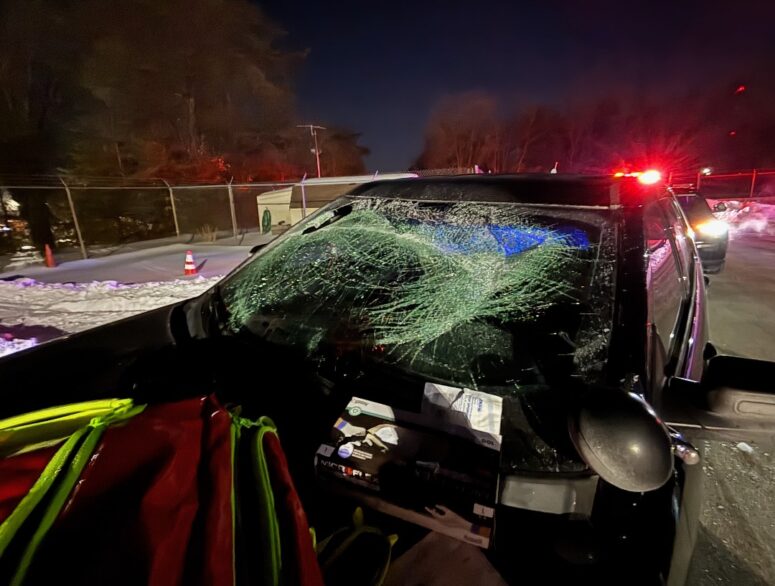
This morning, one of our deputies was traveling on Interstate 97 when a large sheet of ice slid off another vehicle and struck his windshield, causing it to shatter. Despite the impact, the deputy was able to maintain control of his cruiser and safely drive it to the Millersville shop.
He was transported to BWMC and treated for minor injuries
This incident serves as an important reminder to all motorists: please fully clear snow and ice from your vehicles before driving. Ice becoming airborne can cause serious damage and injuries to others on the roadway. Your extra few minutes can prevent a dangerous situation.
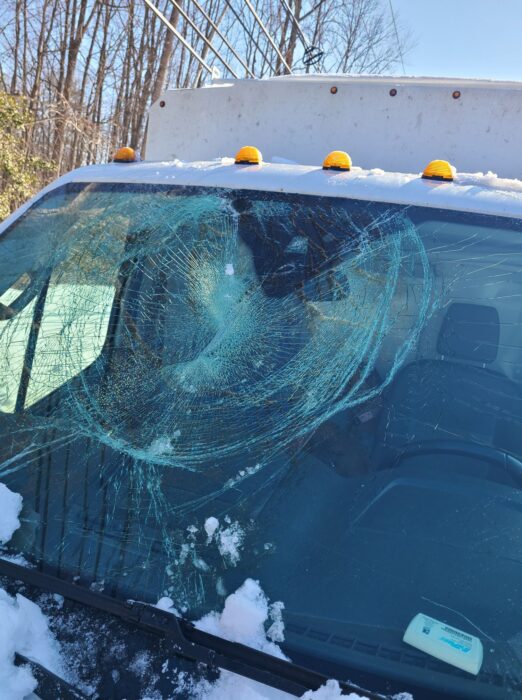
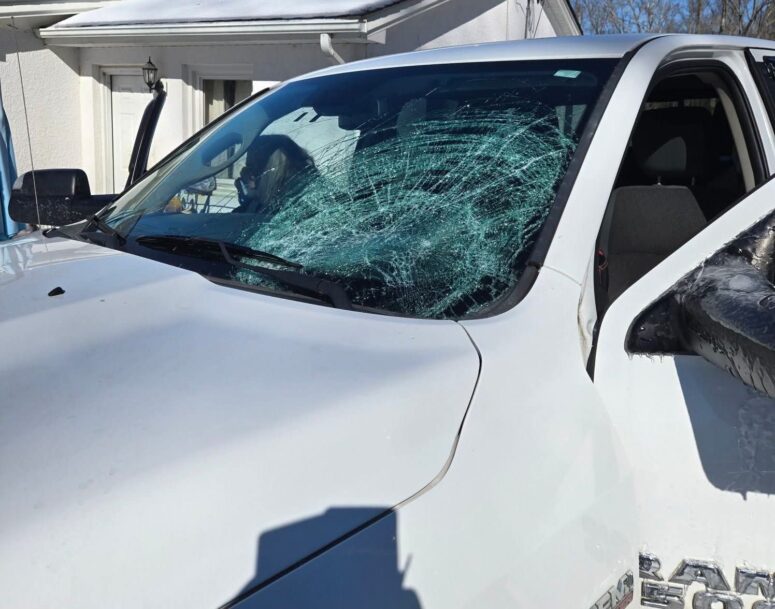
Although no injuries were reported, multiple vehicles in Calvert and St. Mary’s County have been damaged due to ice flying off of others uncleaned vehicles.
All photos are courtesy of those involved, the Mechanicsville Volunteer Fire Department, and Anne Arundel County Police Department.
Lawmakers did introduce a bill in 2026 (House Bill 474, the Clear Before You Drive Act) that would change this and impose a fine structure for driving without removing snow and ice from exposed vehicle surfaces, but it is a proposal — not yet law
Civil Liability
If snow or ice flies off your vehicle and injures someone, damages another vehicle, or damages property, you can be sued in civil court for negligence. This can include:
- Personal injury claims
- Property damage claims
- Wrongful death claims if someone dies because of it
Driving without clearing snow and ice off your vehicle is dangerous, illegal in some states, and can get people seriously hurt or killed. Here’s the straight truth.
1. Ice and snow become deadly projectiles
Snow or ice left on your roof can fly off at highway speeds and slam into the windshield of the car behind you. That can:
-
Shatter windshields
-
Cause drivers to swerve into other lanes
-
Trigger multi-vehicle crashes
People have been killed this way. This isn’t hypothetical.
2. You lose visibility — and control
Failing to clear:
-
Windshields → reduced reaction time
-
Side windows → blind spots
-
Mirrors → lane-change crashes
-
Headlights & taillights → other drivers can’t see you
Driving blind is reckless, especially in winter conditions where stopping distances are already longer.
3. Snow can slide forward when you brake
When you hit the brakes, roof snow can slide onto your windshield, instantly blocking your view. At speed, even a second of zero visibility is enough to cause a serious crash.
4. It’s illegal in many places
Several states have laws requiring drivers to clear snow and ice:
-
Fines
-
Points on your license
-
Civil liability if your snow causes a crash
Even where there’s no specific statute, police can still charge you with negligent or reckless driving.
5. You’re fully liable if someone gets hurt
If snow or ice from your car causes an accident:
-
You can be held financially responsible
-
Insurance may deny coverage due to negligence
-
You could face criminal charges if someone is seriously injured or killed
6. It endangers emergency responders
Flying ice and snow doesn’t just hit cars. It can strike:
-
Police officers
-
Firefighters
-
Tow truck operators
These are people already working dangerous scenes on icy roads.
Bottom line
If you’re too rushed or too lazy to clear your car, you shouldn’t be driving. It takes a few minutes to do it right—and failing to do so puts everyone else at risk.
Clear all snow and ice:
-
Roof
-
Hood
-
Trunk
-
Windows
-
Lights
-
Mirrors
It’s not about convenience. It’s about safety and responsibility.
Screenshot