
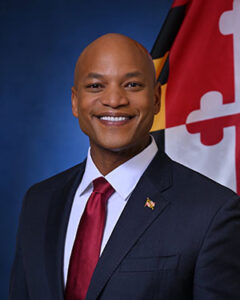
 Governor Wes Moore announced additional reforms to enhance service, oversight, and capacity in Maryland’s foster care system. Through contracts approved during this morning’s Board of Public Works meeting, the Maryland Department of Human Services will establish statewide standards to ensure that youth in foster care with complex needs receive one-on-one care and will expand opportunities for young people to get the help they need through increased licensed foster care capacity.
“Every child in Maryland deserves to feel supported, to be safe, and to be provided with opportunities to realize their potential,” said Gov. Moore. “By establishing one statewide standard for one-on-one care and expanding placement options for young people, we are ending a patchwork approach, strengthening oversight across every jurisdiction, and building a system that is more compassionate, effective, and accountable to the kids we serve.”
Youth who have complex needs are among the State’s most vulnerable and often encounter challenges in the foster care system—especially when they have experienced significant trauma. They more often require one-on-one caregivers who are trained to support both behavioral and physical health to promote their stability; they also face challenges in finding adequate foster care placement.
Prior to the adoption of these new statewide standards, local departments of social services used one-on-one providers through one-off referrals for support services, without the Maryland Department of Human Services’ direct involvement. As a result, the department saw persistent challenges in enforcing consistent standards of care.
The statewide standards for one-on-one care announced today will ensure youth with complex cases receive consistent, high-quality care that is tailored to their specific needs—helping to close a gap in practice that has persisted across multiple administrations. One-on-one care providers must also meet detailed staffing standards based on national best practices including minimum age requirements, CPR and first aid certification, and training in medicine management and crisis intervention.
Though not all youth who are in foster care require these more enhanced levels of care, all of the nearly 3,800 youth who are in foster care are eligible for it.
The other series of contracts announced today expands statewide capacity in the foster care system by opening 37 additional beds in licensed group homes, where providers are able to treat young people in a safe, home-like setting under the supervision of specialized staff. The action follows the opening of an additional 92 treatment foster care beds in 2025, which provide family-based home placements with resource parents who are specifically trained to support youth with significant emotional or health challenges.
“We have been working toward these milestones every day for the past two years,” said Maryland Department of Human Services Interim Secretary Gloria Brown Burnett. “Every child in our care deserves the same standard of care I would expect for my own children–whether that means a placement designed to meet their unique needs or a specially trained individualized caretaker.”
Under the one-on-one contracts approved today, eight organizations will provide services across the state. The contract terms include up to $115.6 million in investment through November 2028, with a two-year renewal option. To provide oversight and accountability, all one-on-one vendors will be subject to both onsite review by a contract administrator from Maryland’s Social Services Administration within 60 days and ongoing quarterly compliance reviews. The new contracts stipulate that services must be reevaluated every 30 days to continue.
The series of contracts that expand placement options for youth invest up to $743.9 million to create 637 total potential placements over three years. To promote sound stewardship of taxpayer dollars, providers will be compensated via reimbursement for the actual number of children placed with them during each year and only after placements are completed. Providers are also prevented from rejecting or dismissing young people who have been referred for placement—another persistent challenge in supporting youth with complex needs.
The reforms and investments announced today continue to build on the Moore-Miller Administration’s actions to address longstanding problems in Maryland’s foster care system.
Working in partnership with the Maryland General Assembly, the Moore-Miller Administration implemented a historic new rate structure to better compensate providers who offer advanced support to young people with more complex needs. The Administration also increased the State’s kinship placement rate by 33%, ensuring more kids in foster care are living with family—whether that family is by blood or by choice.
In addition to ending the decades-long practice of children staying in hotels, the Maryland Department of Human Services also dramatically reduced the number of young people staying in hospitals for longer than is medically necessary by up to 65% over the past year.
“Every child in our care deserves the support necessary to realize their full potential, regardless of their unique needs,” said Maryland Department of Human Services Social Services Administration Executive Director Dr. Alger Studstill. “The reforms announced today advance this vision by expanding options to best serve young people with significant behavioral and health challenges.”