
 On Monday, January 26, 2026, at approximately 10:15 a.m., firefighters and emergency medical services responded to Beverly Drive in Mechanicsville, for the reported injuries after a fall with altered mental status.
911 callers reported a 60-year-old male slipped and fell in the driveway and struck his head. The caller advised the victim was responsive but not coherent.
Crews arrived on the scene to find the patient was suffering from serious injuries and requested a helicopter to land nearby.
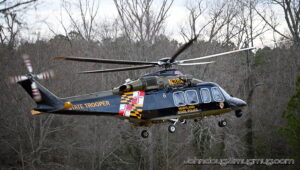
Maryland State Police Helicopter Trooper 7 landed nearby and transported the victim to an area trauma center with serious injuries.
This is the third call this morning in St. Mary’s County for injuries after a fall on ice. Charles County has seen 4 calls this morning alone for injuries after falls on ice.
While First Responders remind all citizens to not travel if not necessary, they remind all that while snow removal may seem routine, it carries real and sometimes deadly risks, especially during heavy or prolonged winter storms. Each year, emergency rooms see a surge in injuries tied directly to shoveling snow, slipping on ice, and exposure to extreme cold.
Shoveling snow is a physically demanding activity that puts sudden strain on the heart, back, and shoulders. Cold temperatures cause blood vessels to constrict, raising blood pressure while the exertion of lifting heavy, wet snow increases heart rate. This combination can trigger heart attacks, even in people with no known heart disease. Muscle strains, herniated discs, and shoulder injuries are also common, particularly when people rush, lift improperly, or overexert themselves.
Slips and falls on ice are another major hazard. Ice is often hidden beneath fresh snow or slush, making sidewalks, driveways, and steps deceptively dangerous. Falls can result in broken bones, head injuries, spinal trauma, and long-term mobility issues. Older adults are especially vulnerable, but even healthy individuals can suffer serious injuries from a single fall. With our snowfall coupled with freezing rain, sleet and freezing temps, ice will be mixed in with it all, increasing the risks.
Other dangers include frostbite and hypothermia from prolonged exposure to cold and wind, especially when snow removal takes longer than expected or clothing becomes wet. Carbon monoxide poisoning is an often-overlooked risk when snow blocks vehicle exhaust pipes or when gas-powered equipment is used in enclosed or poorly ventilated areas, such as garages.
Snow removal is not just an inconvenience; it is a legitimate safety risk. Taking breaks, dressing appropriately, using proper equipment, and knowing personal physical limits can reduce danger, but the risks remain. Treating snow and ice with caution can prevent injuries that last far longer than the storm itself.