
 On Monday, January 26, 2026, at approximately 3:50 p.m., firefighters and emergency medical services responded to the 27000 block of Budds Creek Road in Mechanicsville, for the reported traumatic injuries with one unconscious.
911 callers reported an 9-year-old female was unconscious and bleeding from the nose after a sledding accident. Due to the nature of the call, Maryland State Police Aviation Command was pre-launched to land nearby.
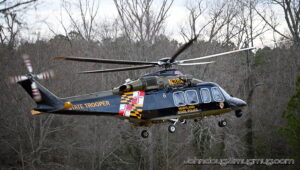
Maryland State Police Helicopter Trooper 7 is responding to land at Budds Creek Road and Thompson Corner Road in the roadway due to weather and ground conditions – the area will be CLOSED until they clear. Avoid the area and expect extended delays.
Crews on the scene reporting the patient is conscious and not alert, and confirmed a helicopter was need to transport the child to an area children’s center.
Updates will be provided when they become available.
The child, who was accompanied by her father, were transported by Trooper 7 to the Children’s National Medical Center with serious injuries to the head.
This is the third sledding accident within the past 24 hours.
While we all love to enjoy our snow days and no school, First Responders remind all that while sledding can be fun, it’s not risk-free. Wearing a helmet, using a safe hill, staying seated and feet-first, and keeping sledding areas clear can help reduce injuries. A few precautions can mean the difference between a fun winter day and a trip to the emergency room.
Every winter, emergency rooms treat serious injuries from sledding accidents, many involving children and teens. The biggest risk comes from speed and lack of control. Sleds can reach high speeds in seconds, especially on icy or steep hills, making it difficult to steer or stop. Collisions with trees, fences, parked cars, other sledders or stationary objects can cause head injuries, broken bones, and internal trauma. Head injuries are among the most serious and often occur when sledders are not wearing helmets.
Choosing the right location matters. Hills that end near roads, parking lots, bodies of water, or wooded areas significantly increase the risk of serious injury. Sledding on icy surfaces may feel faster, but it greatly reduces control and increases the chance of severe falls or collisions.
Proper supervision is critical, especially for younger children. Young sledders may not recognize hazards, judge speed accurately, or react quickly enough to avoid danger. Riding headfirst, standing on sleds, or using makeshift sleds like trash can lids or inflatable devices increases the likelihood of serious injury.
Weather conditions also play a role. Poor visibility during snowfall or low light makes it harder to see obstacles and other sledders. Cold, wet clothing can lead to hypothermia, especially after repeated runs or extended outdoor time.